Collective Value Creation · Published perspectives
A strategic decision making framework for supplier development in South Africa
Wybrand Ganzevoort
Publication context
Originally presented at the SAPICS Conference in June 2016 and subsequently published by Transport World Africa. This recovered website version preserves the paper, references and diagrams as a dated professional contribution.
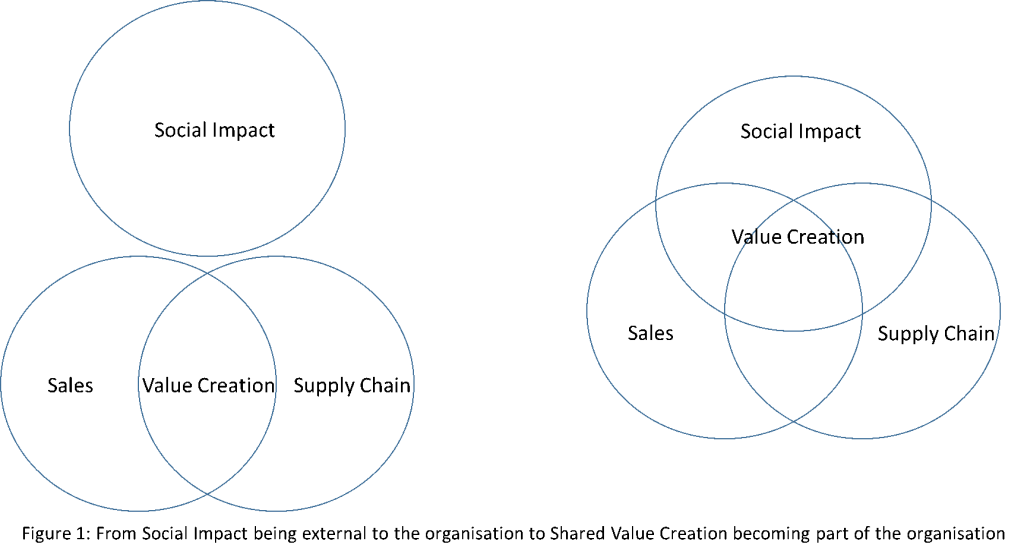 The prevailing South African paradigm
Given the above findings we still note that decisions that impact diversity, and more specifically supplier diversity in South Africa, are frequently made based on the relationship between two variables, namely cost and compliance. This prevailing paradigm has led to the optimisation between cost for compliance being the point of departure for most diversity related procurement and developmental related decisions. Some companies even going as far as to justify the Total Cost of Ownership per Point, or per subcategory point, on their BBBEE scorecard.
To further complicate the decision making framework even further there is also the perspective that the more money that is spent in social development and local procurement the higher the social good impact that this has. Even though we now know that there is no correlation between money spent and social impact the dialogue in most companies remain in reporting on money spent to justify social citizenship requirements.
The trilogy of Preferential Procurement and Enterprise and Supplier Development
This emphasis on cost per point has probably led to most Enterprise Development initiatives having relatively little impact and being removed from the company’s value chain. With the introduction of Supplier Development and the change in the 2013 amended BBBEE codes, companies are now needing to consider the direct impact that Enterprise and Supplier Development has on their organisation.
In the past the transformation and diversity discussion has therefore been fairly removed from most South African strategic sourcing and procurement deliberations, but with the amendment of the BBBEE codes and the integration between Enterprise and Supplier Development and Preferential Procurement, we are now undergoing a renewed dialogue.
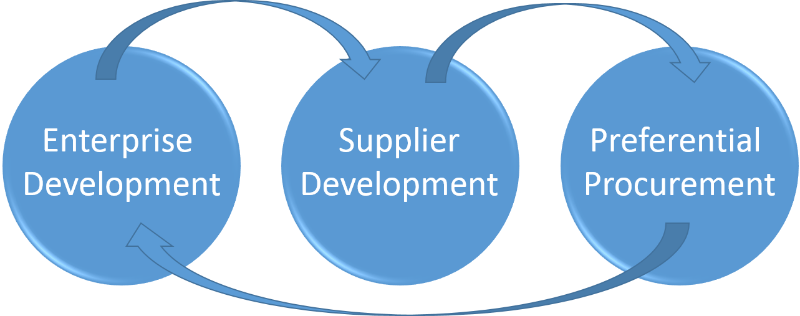 Figure 2 Enterprise and Supplier Development is now aligned with Preferential Procurement
The departure point to this discussion is the alignment between Enterprise and Supplier Development on the one side and Preferential Procurement on the other. The idea being that in order to increase supply for specific commodities companies need to develop or transform companies that supply these commodities.
Arguably this alignment could lead companies to create diverse local suppliers that show a higher level of sustainable growth. This is due to the development work done on the one side and access to market provided on the other. Therefore, both targeted procurement and targeted development are required when considering preferential procurement and enterprise and supplier development.
The Strategic Intent of Enterprise and Supplier Development
In recent years the business cases that justify Preferential Procurement and Enterprise and Supplier Development have become increasingly focused on the benefit to the organisation in the context of the community in which it operates. It is now becoming prevalent that there is a strategic business case to be made for implementing Preferential Procurement and Enterprise and Supplier Development and Procurement Practitioners should take cognisance of aligning this business case into their strategic sourcing decisions.
- The Risk Mitigation Strategy
- The Competitive Compliance Strategy
- The Competitive Local Supplier Development Strategy
- The Innovation Centric Supplier Development approach
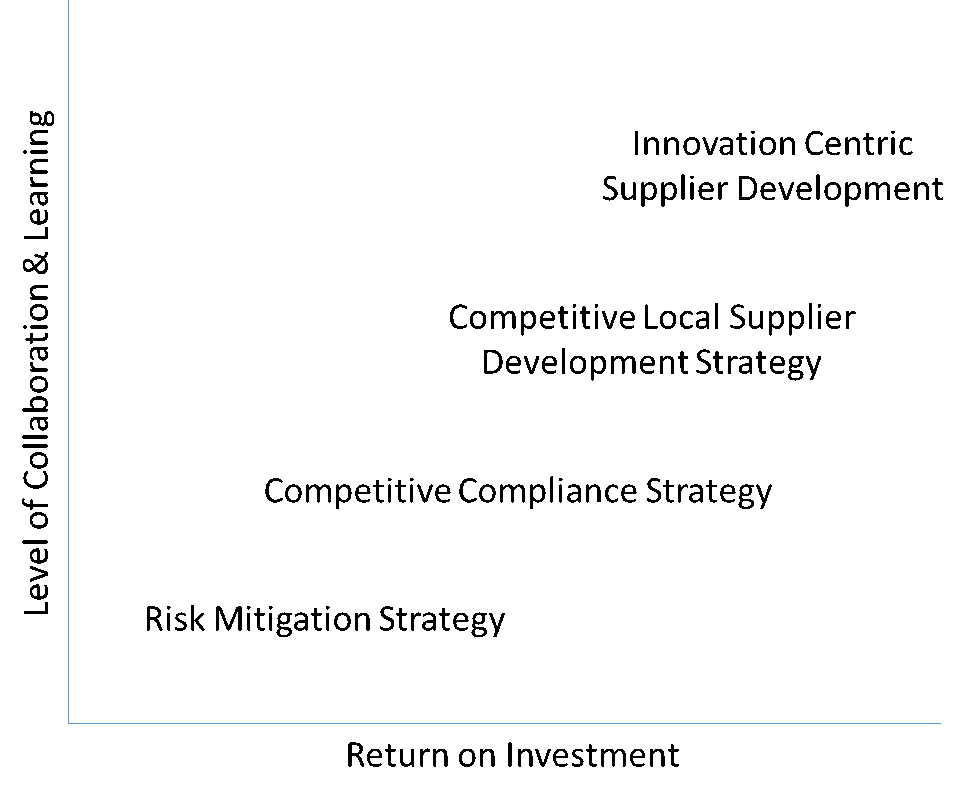
Figure 3 Hypothetical correlation between Level of Collaboration and Learning and Return on Investment
A strong case could therefore be made for a correlation between collaboration with local Black Owned / Black Female Owned SMME’s and Return on the Preferential Procurement and Enterprise and Supplier Development Investment of the company.